Oophaga pumilio’s are native to the hot, steamy rainforests, however they live on the forest floor where temperatures remain cooler and the lighting is dim.
Lighting
For the main tank lighting, here are some tried and true methods.
Good: CFL bulbs – widely available, but not efficient compared to output and not suitable in larger terrariums. Watch the heat output on these as well.
Better: 13 W Jungle Dawn Horizontal LEDS – Very energy efficient, low heat output, and optimal color temperature, however they can be expensive, some generic brands do not have the quality and you may need more than one on a tank.
Best: Current USA LED Fixture -Very energy efficient, low heat output, good light penetration and adjustable color temperature, however they can be expensive and are not as commonly found.
***I would recommend 13 hours of daylight during the summer and 11 hours of daylight during the winter months.
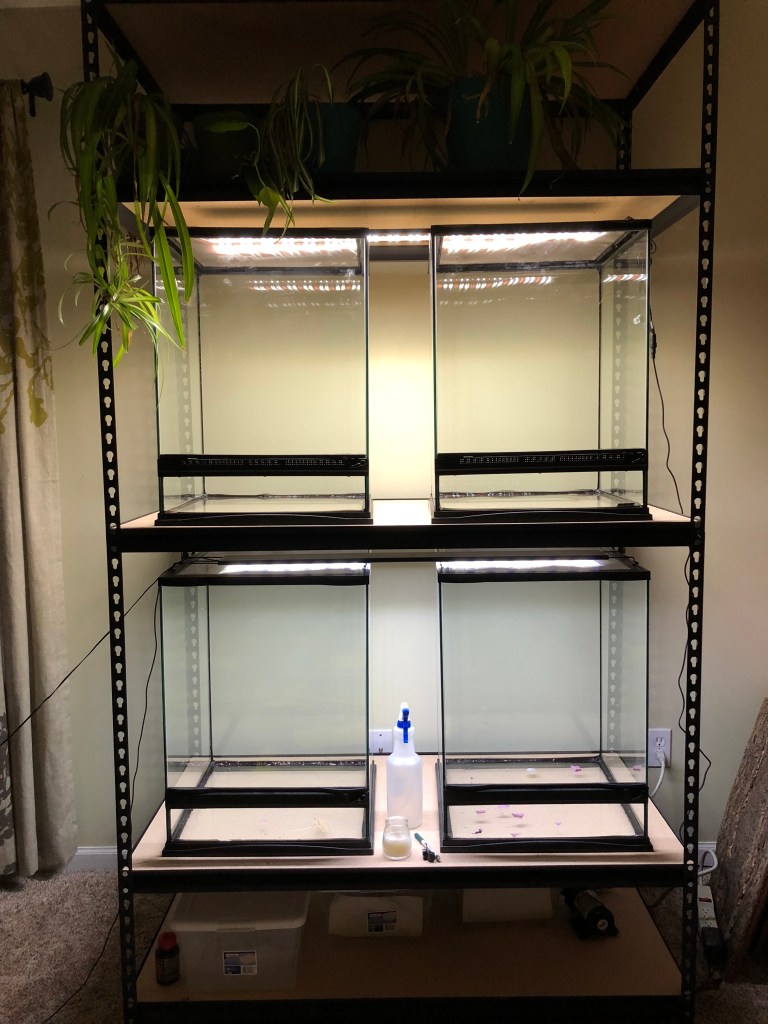
Current USA Satellite LED fixtures
UVB
First, the basics of UVB. Sunlight is comprised of Infared light, Visible light & Ultraviolet light. The ultraviolet portion of the light consists of UVA, UVB and UVC. UVA is the lowest form of energy and can pass through glass and clear plastics. UVC is the highest form of energy and it is blocked by our Earth’s atmosphere. If UVC was not blocked by our atmosphere, it would destroy all life on Earth as it destroys DNA on contact and is frequently used in disinfecting cleaners and air purifiers. That leaves UVB light. UVB is partially filtered by Earth’s atmosphere and is blocked by glass and plastic. This is the portion that causes sunburn to humans, however within reptiles and amphibians it is essential to the Vitamin D synthesis and metabolism processes.
There has been some recent research into UVB and the pumilio dart frogs. The Oophaga pumilio has been one of the only frogs (along with other Dendrobates) who exhibit an ability to detect and avoid areas with even low levels of ultraviolet rays from sunlight. This could be instrumental on helping these frogs through a time of amphibian population decline.
It is my personal opinion that the goal of any animal keeper should be to attempt to replicate nature to make the habitat and care as natural as possible. With that being said, for the Oophaga pumilio, a small area of UVB light should be provided within each tank.
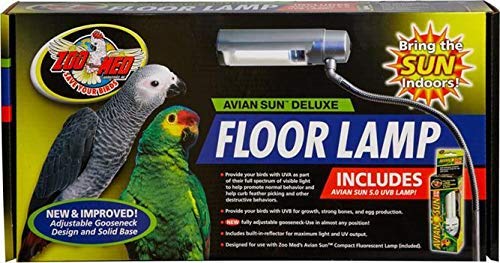
How to provide UVB:
- A floor lamp with UVB bulb aimed at the tank or
- A small UVB light in the back corner of the tank
- Below the UVB light: provide ample plants and shading from the harmful UVB rays. By providing plants and shading, the frog itself can control how much UVB rays it receives.
- The section where the UVB light is located should have a fine mesh lid and not a glass lid as glass is known to block UV lights.
- Length of time: 1 hour once a week or a higher concentration for 20 mins a month
***Providing UVB light on adult tanks have been known to help with frolet mortality issues so if you ever develop any froglet issues I would look into adding a UVB light.
Temperature
It was assessed by Frances Baines that the Ambient air Temperature for Oophaga pumilio within their natural range during the summer is between 75-80 F with a drop to 70 during the winter and at night. Temperatures at 85 F or higher can stress out a frog and if it lasts for a few hours it be deadly.
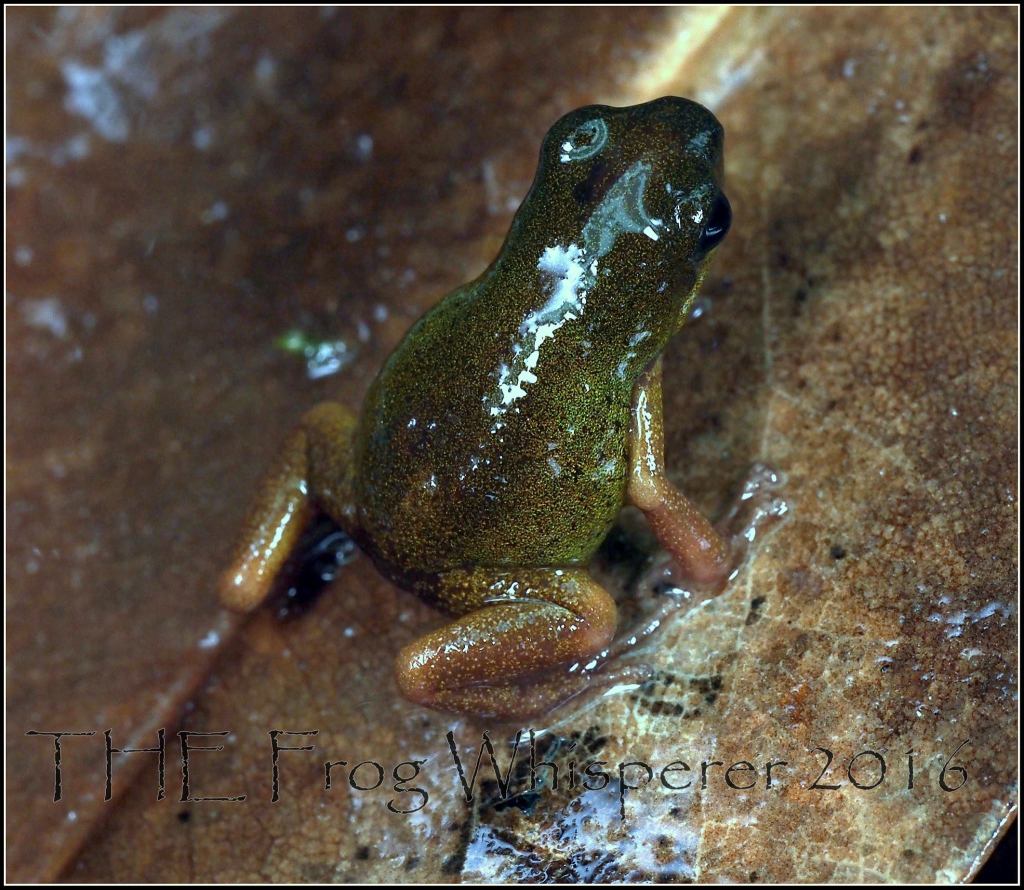
Pastores – photo by Shawn Harrington
Humidity
Humidity in the terrarium should be around saturation levels while the lights are off and dip to 70-80% around noon. By creating an appropriate terrarium, you will not have an issue maintaining this. Regular misting will also help maintain humidity levels. During breeding season, automatic misting has been recommended by many as a requirement. This helps to flush the tadpole sites and keep them full. It is not unheard of to mist between 3-5 times per day and at 1-5 minutes each time. Never allow the tank to dry out.
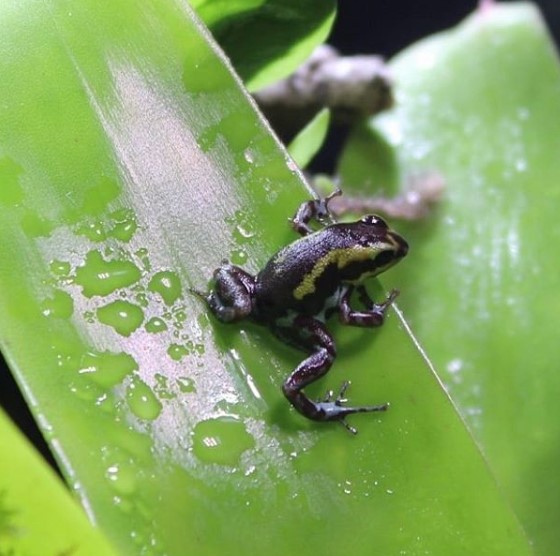
Rio Branco male – photo by Blake Proper/Ekzotas 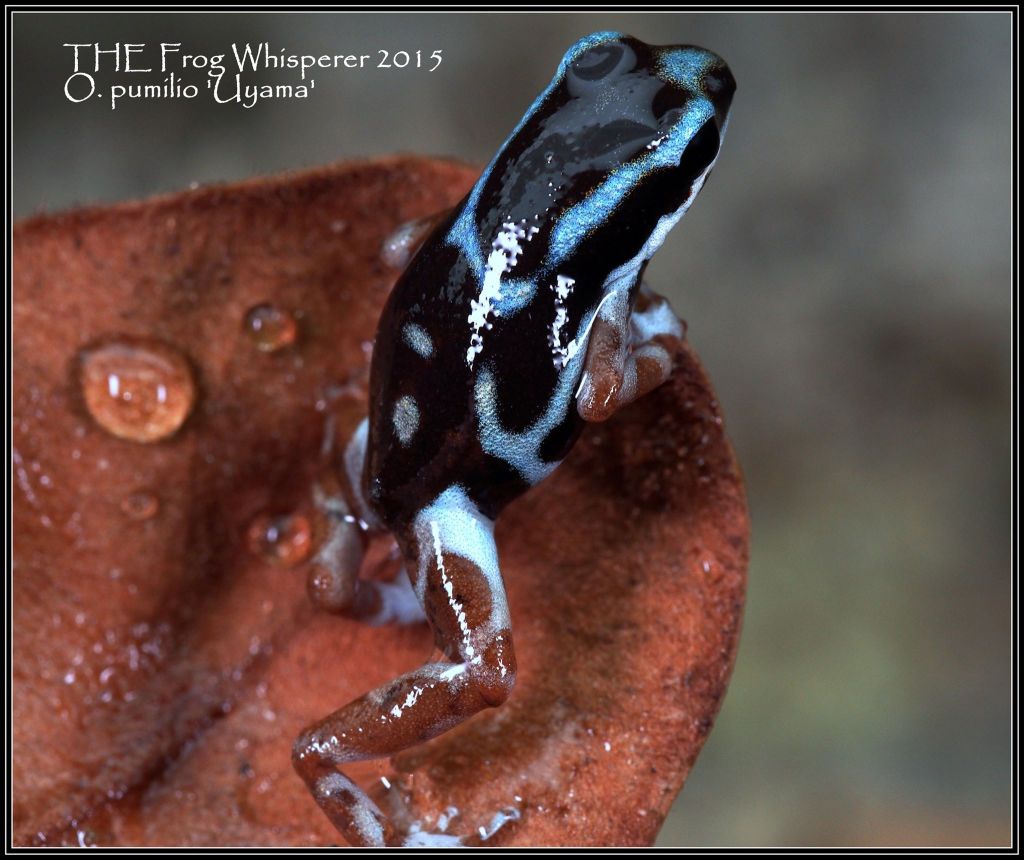
Uyama River – photo by Shawn Harrington
Ventilation
Oophaga pumilio have been found to benefit from more ventilation than a standard tank due to the increased misting. The increased ventilation can be accomplished by either providing a small fan on the outside of the tank which blows over a fine mesh portion of the tank or by a fan inside which moves the tank air around. The ventilation sets up a nice moisture gradient where similar to nature, the frogs can choose their preferred climate at any time. The airflow also keeps the air from becoming stagnant which helps with disease control.
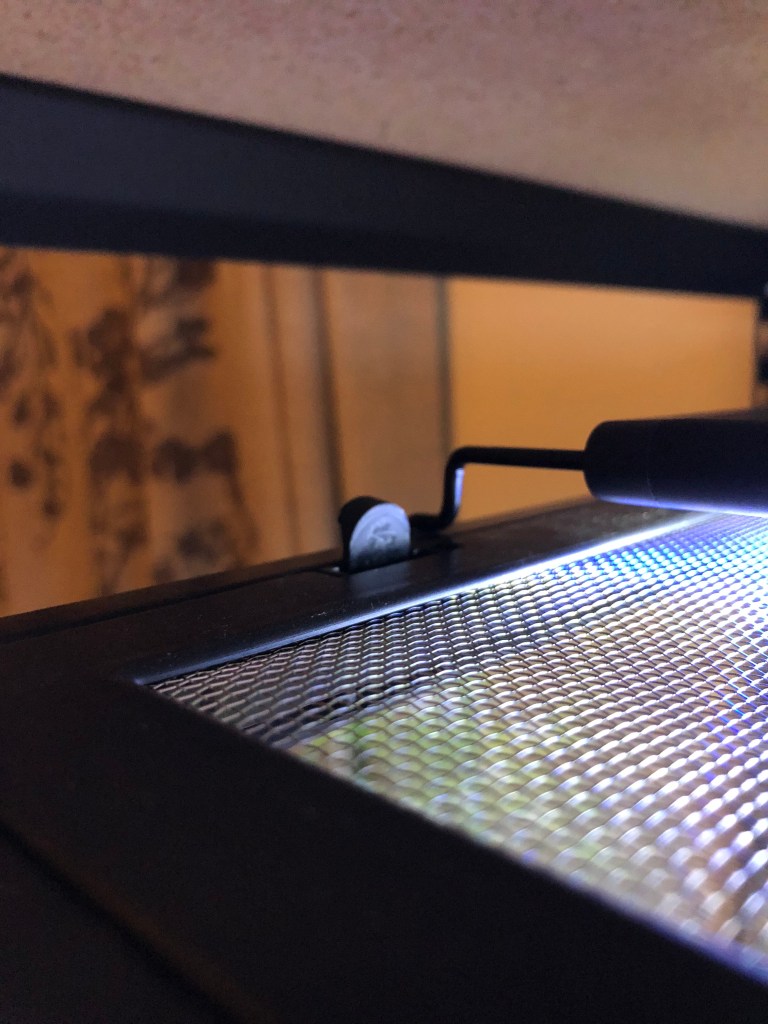
Zoo Med Ventilation Screen Top 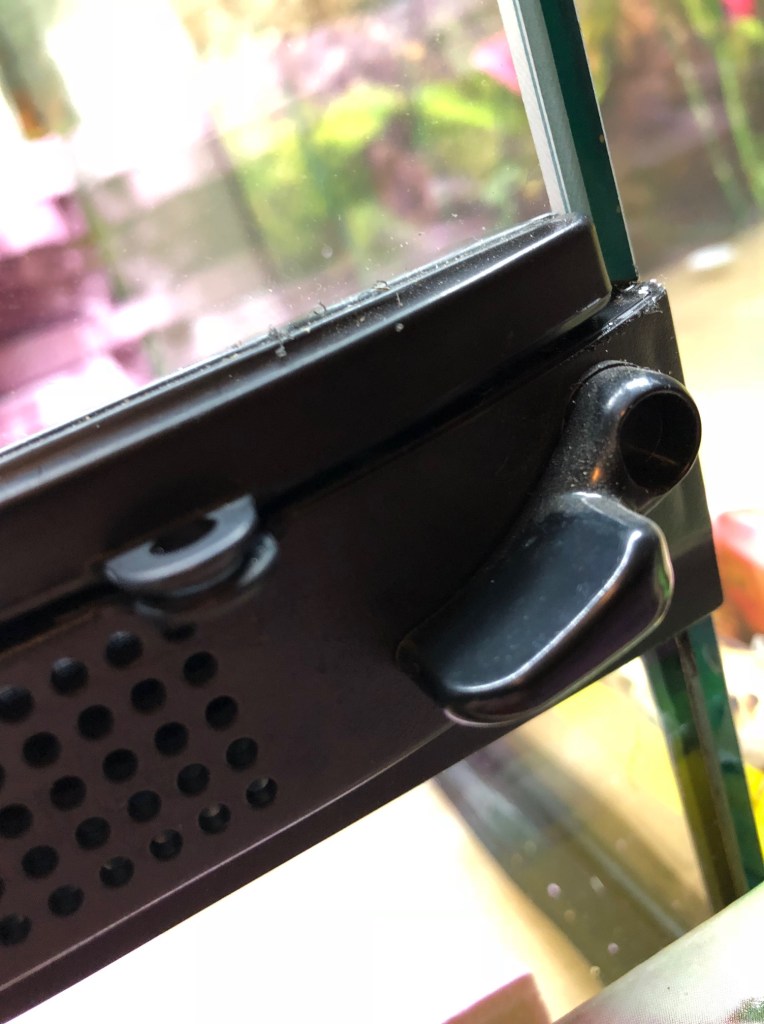
Zoo Med Ventilation strip on front
Ultimate Oophaga pumilio Care Guide:
- Introduction to care
- Locales
- Terrarium Size
- Lighting, UVB, Temperature and Humidity Requirements(Current Page)
- Terrarium Design
- Feeding
- Breeding
- Tadpole Care
- Shopping List
- Common health Issues
- Additional Resources
This care guide contains affiliate links, which means that thefroglady.wordpress.com gets a small commission from the Amazon products that our readers buy through us. It does not cost you any extra and the proceeds go toward keeping thefroglady.wordpress.com free. Thank you for your support!
Cover photo was taken by Pavel Kirillov and used with the Creative Commons License. Photo was cropped & text was added to original. See Original photo here.
Is this information out of date?
Thefroglady.wordpress.com’s goal is to provide credible and up to date information for amphibian keepers of all stages. We try our best to keep up with recommended care as it is released but sometimes we miss some items. If you have found something that is out of date, please contact us here so we can fix it. Thanks!


_(9434738329).jpg)
9 thoughts on “Oophaga pumilio lighting, UVB, temperature and humidity requirements”